Asbestlint: Meaning, Risks, Identification, and Safe Management
Asbestlint is a word that many people see online but do not clearly understand. Some websites use it to describe tiny asbestos fibers that float in the air. Others use it to mean asbestos tape or fabric found in old buildings. Because the word is used in different ways, it often causes confusion.
This confusion can be dangerous. Asbestos exposure is a serious health risk. If people do not understand what asbestlint is, they may disturb it during home repairs, construction work, or cleaning. This can release harmful fibers into the air.
This article explains asbestlint in clear and simple language. It covers what it is, where it comes from, why it is dangerous, how to identify it, and how it should be handled safely Runlia
What Is Asbestlint?
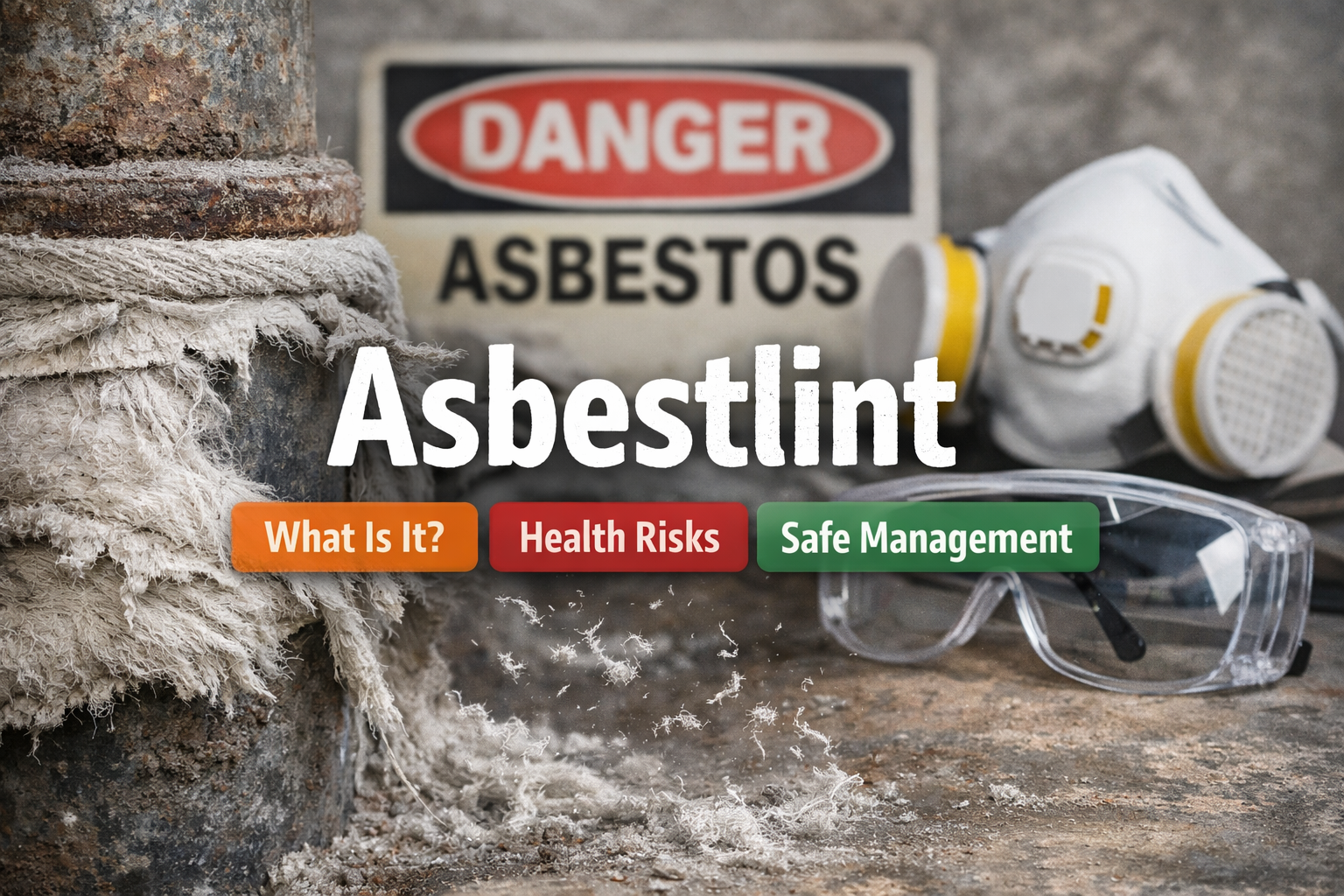
Asbestlint is a term used to describe asbestos in a thin, fibrous, or lint-like form. It usually refers to asbestos fibers or asbestos materials that can easily break apart and release tiny fibers into the air, these fibers are very small. You usually cannot see them. When breathed in, they can stay inside the lungs for many years and cause serious illness.
Different Meanings of Asbestlint
The word asbestlint is not an official scientific term. Because of this, it is used in different ways:
-
Fine asbestos fibers that look like dust or lint
-
Old asbestos tape, cloth, or wrapping used for insulation
-
Worn or damaged asbestos material that sheds fibers
In this article, asbestlint means any asbestos material or fiber that can easily release airborne fibers.
How Asbestlint Is Different From Other Asbestos Materials
| Feature | Asbestlint | Solid Asbestos Materials |
|---|---|---|
| Shape | Thin, fibrous, lint-like | Hard sheets or tiles |
| Fiber release | Very easy | Only when damaged |
| Airborne risk | Very high | Lower if intact |
| Visibility | Usually invisible | Often visible |
History of Asbestlint Use
Why Asbestos Was Popular
Asbestos was widely used for many years because it had useful properties:
-
Strong and durable
-
Resistant to heat and fire
-
Resistant to chemicals
-
Cheap and easy to use
When asbestos was made into thin fibers or fabric, it became even more useful.
Common Past Uses
Asbestlint-type materials were used in many places:
-
Pipe insulation
-
Boiler and furnace wrapping
-
Air ducts and ventilation systems
-
Fireproof blankets and cloth
-
Electrical insulation
-
Industrial machinery
When and Why Use Declined
Over time, doctors discovered that asbestos exposure caused serious diseases. Governments began to limit and later ban asbestos use in many countries.
However, many old buildings still contain asbestos, including asbestlint. This is why it is still a problem today.
Where Asbestlint Is Commonly Found
Asbestlint is mostly found in older buildings, especially those built before asbestos bans.
Common Locations in Buildings
-
Pipes and pipe wrapping
-
Heating systems and boilers
-
Air ducts and ventilation systems
-
Ceiling coatings and textures
-
Floor tiles and adhesives
-
Electrical wiring insulation
Residential and Commercial Buildings
| Building Type | Risk Level | Common Areas |
|---|---|---|
| Old houses | Medium to high | Pipes, ceilings |
| Apartments | High | Utility rooms |
| Factories | Very high | Machinery areas |
| Schools | High | Boiler rooms |
| Hospitals | High | Service areas |
Health Risks of Asbestlint
Why Asbestlint Is Dangerous
Asbestlint is dangerous because it releases very small fibers into the air. These fibers:
-
Stay airborne for a long time
-
Are easy to breathe in
-
Cannot be broken down by the body
Once inside the lungs, the fibers cause damage over many years.
Diseases Linked to Asbestos Exposure
Long-term exposure to asbestos fibers can cause:
-
Asbestosis – scarring of the lungs
-
Lung cancer
-
Mesothelioma – a rare and aggressive cancer
-
Pleural disease – thickening around the lungs
Long Delay Before Symptoms
One of the biggest dangers of asbestos is that symptoms often appear 20 to 50 years after exposure. This means people may not know they were harmed until many years later.
How Asbestlint Becomes Airborne
Common Ways Fibers Are Released
Asbestlint fibers are released when materials are disturbed, such as during:
-
Renovation or demolition
-
Drilling or cutting walls
-
Removing insulation
-
Cleaning damaged materials
-
Aging and natural wear
Why Normal Cleaning Is Not Safe
Vacuuming or sweeping asbestos materials can make exposure worse. These actions spread fibers into the air instead of removing them safely.
How to Identify Asbestlint
Why You Cannot Identify It by Sight Alone
You cannot safely identify asbestlint just by looking at it. Many safe materials look similar to asbestos.
Warning Signs That May Indicate Asbestlint
-
Building built before asbestos regulations
-
Old insulation that looks fuzzy or damaged
-
Cloth-like wrapping on pipes
-
Dust near insulation materials
Professional Testing
The only safe way to identify asbestlint is through:
-
Inspection by trained professionals
-
Laboratory testing of samples
Trying to take samples yourself can release fibers and increase risk.
Laws and Regulations About Asbestlint
Asbestos handling is controlled by law in many countries.
Role of Safety Authorities
Organizations such as the Occupational Safety and Health Administration and the Environmental Protection Agency set rules to limit exposure and protect public health.
Common Legal Rules
-
Only licensed professionals may remove asbestos
-
Workers must be protected from exposure
-
Property owners must disclose known asbestos
-
Improper removal can result in fines or legal action
Safe Management of Asbestlint
When Asbestlint Can Be Left in Place
Asbestlint may sometimes be left alone if it is:
-
In good condition
-
Not releasing fibers
-
Sealed or enclosed
-
Not likely to be disturbed
This is called management in place.
When Removal Is Needed
Removal is usually required when:
-
Materials are damaged or breaking apart
-
Renovation work is planned
-
Fibers are entering living or work spaces
Professional Asbestos Removal Process
Typical Removal Steps
-
Site inspection and risk assessment
-
Sealing off the work area
-
Use of protective clothing and masks
-
Wet methods to reduce dust
-
Safe removal and packaging
-
Approved disposal
-
Air testing after removal
Why Professional Removal Is Important
Professional removal:
-
Reduces fiber release
-
Protects workers and occupants
-
Meets legal requirements
-
Prevents contamination of other areas
Prevention and Safer Alternatives
Modern Materials That Replace Asbestos
| Material | Benefits |
|---|---|
| Fiberglass | Safe and heat resistant |
| Mineral wool | Fire resistant |
| Ceramic fiber | Handles high heat |
| Calcium silicate | Strong insulation |
How to Prevent Exposure
-
Do not disturb unknown materials
-
Get inspections before renovations
-
Maintain old insulation carefully
-
Replace aging materials safely
Common Myths About Asbest lint
“Small Amounts Are Safe”
This is false. There is no safe level of asbestos exposure.
“Only Workers Are at Risk”
Homeowners and residents can also be exposed.
“Asbestos Is No Longer a Problem”
Many old buildings still contain asbestos today.
“Encapsulation Always Works”
Encapsulation is not suitable for damaged materials.
FAQs
Is asbest lint still legal
In many places, asbestos use is banned, but existing materials may remain if they are not disturbed.
Can I remove asbest lint myself
In most cases, no. Removal usually requires licensed professionals.
How do I know if my home contains asbest lint
Building age and professional testing are the best ways to know.
What should I do if I disturb it by accident
Leave the area immediately and contact an asbestos professional.
Conclusion
As bestlint is a dangerous form of asbestos because it easily releases fibers into the air. These fibers can cause serious illness many years after exposure. Although the word is used in different ways online, the health risks are clear and well known, older buildings are the most common places where asbest lint is found. Homeowners, workers, and building managers should never assume materials are safe without proper testing, the safest approach is always professional inspection, careful management, and licensed removal when needed. Understanding asbest lint and treating it with caution can protect health and save lives.