Blazertje: The Complete Guide to the Modern Wardrobe Essential
The blazertje has become one of the most versatile and talked-about pieces in modern fashion. Somewhere between a classic blazer and a casual jacket, the blazertje represents how contemporary wardrobes have evolved: less rigid, more flexible, and designed to move effortlessly between work, leisure, and evening wear.
But what exactly is a blazertje? How does it differ from a traditional blazer? And why has it become such a popular choice across ages, styles, and seasons?
This in-depth guide answers all of those questions and more. Whether you are looking to understand the concept, style it better, or choose the right one for your wardrobe, this article covers everything you need to know about the blazertje Courseto
What Is a Blazertje?
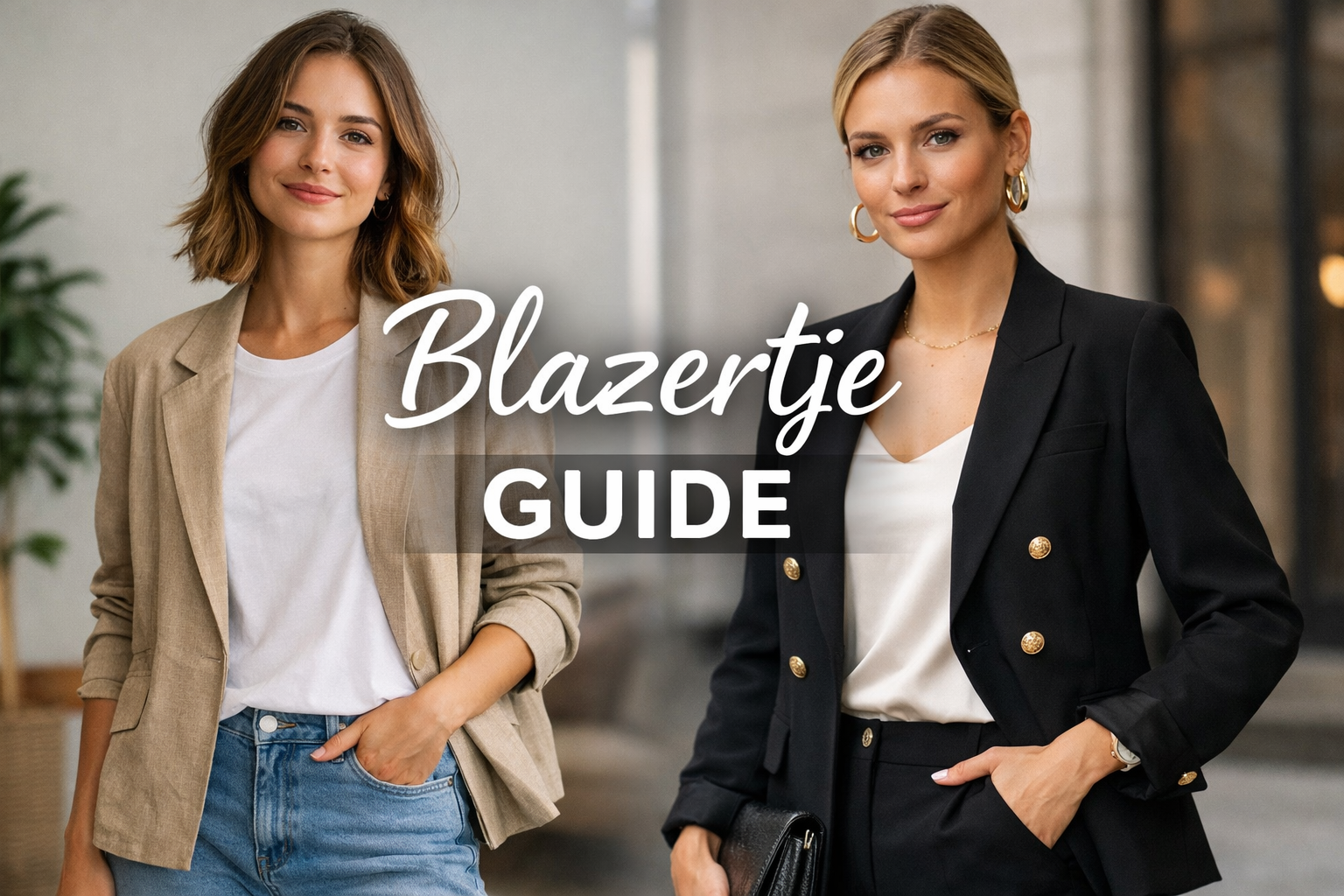
A blazertje is a light and modern type of blazer. The word comes from Dutch. It means a “small” or “soft” blazer. In fashion, a blazertje is not as formal as a classic blazer. It is made to be easy to wear and easy to style, a blazertje looks neat but feels comfortable. It can be worn in daily life, at work, or for social events. Many people choose a blazertje when they want to look put together without wearing a full suit jacket.
Main features of a blazertje
-
Lighter than a classic blazer
-
Softer fabric and shape
-
Less strict tailoring
-
Easy to mix with casual clothes
-
Suitable for many occasions
A blazertje is often seen as a mix between a jacket and a blazer. This makes it a very flexible clothing item.
Blazertje vs Blazer: What Is the Difference?
A blazertje and a blazer are similar, but they are not the same. The biggest difference is structure and formality.
A blazer is more formal. It usually has strong shoulders, a firm shape, and heavier fabric. A blazertje is softer, lighter, and more relaxed.
Blazertje vs Blazer comparison table
| Feature | Blazertje | Blazer |
|---|---|---|
| Structure | Soft or semi-soft | Strong and structured |
| Fit | Relaxed or modern | Tailored and classic |
| Fabric | Light and flexible | Thicker and firm |
| Style level | Casual to smart-casual | Smart-casual to formal |
| Comfort | Very comfortable | Less flexible |
| Daily wear | Very suitable | Sometimes too formal |
When to choose a blazertje
-
For daily outfits
-
For business casual looks
-
For travel and comfort
-
For relaxed work settings
When to choose a blazer
-
For formal meetings
-
For events with dress codes
-
For traditional office wear
History and Evolution of the Blazertje
The history of the blazer
The blazer started in the 19th century. It was first worn by sailors and sports teams, especially rowing teams. Later, it became part of school uniforms and club outfits. Over time, it entered everyday fashion and business wear.
Blazers were known for:
-
Strong shapes
-
Metal buttons
-
Formal appearance
How the blazertje developed
As fashion changed, people wanted clothing that was more comfortable. Offices became less formal, and casual styles became more popular. This is when the blazertje appeared.
The blazertje keeps the clean look of a blazer but removes the stiff feeling. It fits modern life better, where people move between work, home, and social activities.
Key Characteristics of a Blazertje
A blazertje has clear design features that make it different from other jackets.
Fit and shape
Blazertjes come in different fits:
-
Slim fit
-
Straight fit
-
Oversized fit
-
Cropped fit
The fit is usually more relaxed than a blazer.
Structure
-
Little or no shoulder padding
-
Soft lapels
-
Flexible seams
-
Often partly lined or unlined
Fabric types
Blazertjes are made from comfortable fabrics such as:
-
Cotton
-
Linen
-
Wool blends
-
Viscose
-
Recycled polyester
Design details
-
One or two buttons
-
Simple pockets
-
Clean stitching
-
Light lining
Seasonal use
Blaziertjes can be worn:
-
In spring and summer (light fabrics)
-
In fall and winter (layered with knits)
-
All year with the right material
Types of Blaziertjes
There are many types of blazertjes. Each type suits a different style or need.
Casual blaziertje
-
Soft fabric
-
Neutral colors
-
Easy to wear every day
Cropped blaziertje
-
Shorter length
-
Works well with high-waist pants
-
Modern and stylish
Oversized blaziertje
-
Loose and boxy shape
-
Popular in street style
-
Good for layering
Structured blaziertje
-
More shape than a casual blaziertje
-
Less strict than a blazer
-
Suitable for work
Blaziertje sets
-
Matching blazer and trousers or skirt
-
Easy outfit choice
-
Clean and modern look
Sustainable blaziertjes
-
Made from eco-friendly materials
-
Produced in ethical ways
-
Designed to last longer
How to Style a Blaziertje
One of the biggest benefits of a blaziertje is styling freedom.
Casual styling ideas
-
Blaziertje with T-shirt and jeans
-
Blaziertje with sneakers
-
Light colors for a relaxed look
Business casual styling
-
Blaziertje with tailored trousers
-
Neutral colors like black, grey, or beige
-
Simple shoes like loafers or ankle boots
Evening and smart looks
-
Blaziertje over a dress
-
Blaziertje with skirt and heels
-
Add accessories like a belt or jewelry
Seasonal styling
Spring and summer
-
Linen blaziertje
-
Light colors
-
Open sleeves
Fall and winter
-
Layer over sweaters
-
Darker colors
-
Add scarves
Blaziertje for Different Body Types
A blaziertje can suit many body shapes if chosen correctly.
Petite body types
-
Short or cropped blaziertjes
-
Slim sleeves
-
Avoid very long styles
Tall body types
-
Oversized blaziertjes
-
Longer cuts
-
Double-breasted styles
Curvy body types
-
Blaziertjes with waist shape
-
Stretch fabrics
-
One-button designs
Straight or athletic body types
-
Boxy or oversized blaziertjes
-
Added shoulder detail
-
Textured fabrics
Materials and Sustainability
Common fabrics used in blaziertjes
| Fabric | Benefits | Best season |
|---|---|---|
| Cotton | Breathable and soft | Spring, summer |
| Linen | Very light and cool | Summer |
| Wool blend | Warm and durable | Fall, winter |
| Viscose | Smooth and flexible | All seasons |
| Recycled polyester | Strong and eco-friendly | All seasons |
Why blaziertjes fit capsule wardrobes
-
Easy to mix with many outfits
-
Suitable for many occasions
-
Reduce the need for many jackets
Cost-per-wear value
A good blaziertje:
-
Lasts many years
-
Can be worn often
-
Saves money over time
How to Choose the Right Blaziertje
Before buying a blaziertje, check these points.
Fit checklist
-
Shoulders sit well
-
Sleeves allow movement
-
Buttons close comfortably
Color choice
-
Neutral colors for everyday use
-
Bold colors for statement looks
Fabric choice
-
Light fabrics for warm weather
-
Thicker blends for cold seasons
-
Wrinkle-resistant fabrics for travel
Quality signs
-
Strong seams
-
Secure buttons
-
Clean inner finish
Care and Maintenance
Good care keeps your blaziertje looking new.
Cleaning
-
Always read the care label
-
Some blaziertjes can be washed gently
-
Structured styles may need dry cleaning
Storage
-
Use a proper hanger
-
Do not overfill your closet
-
Close buttons lightly
Travel care
-
Fold carefully
-
Choose wrinkle-resistant fabrics
-
Steam instead of ironing
Blaziertje Trends
Popular blaziertje trends today include:
-
Oversized shapes
-
Neutral and earth colors
-
Cropped styles
-
Gender-neutral designs
-
Sustainable materials
Trends change, but blaziertjes remain useful because of their flexibility.
FAQs
Is a blaziertje formal?
No. A blazeirtje is usually smart-casual.
Can a blaziertje be worn without matching pants?
Yes. Blaziertjes are made to be worn alone.
Is a blaziertje the same as a jacket?
No. A blaziertje has blazer-style details and tailoring.
Can both men and women wear blaziertjes?
Yes. Blaziertjes work for all genders.
Conclusion
The blaziertje is a key item in modern fashion. It offers comfort, style, and flexibility. It works for casual days, office settings, and evening looks. Unlike a traditional blazer, a blaziertje feels relaxed while still looking clean and stylish, because it fits many outfits and occasions, the blaziertje is a smart choice for any wardrobe. It is not just a trend. It is a practical and timeless clothing piece.