ATFBoru: Technology Overview and System Design
ATFBoru is a technology-based system used to store, organize, and search large collections of images. It works through structured data, tags, databases, and web systems. From a technical view, ATFBoru is not just a website. It is a platform design that helps manage image data in an organized way.
This article explains ATFBoru only from a technology perspective. It does not focus on social use or creative sharing. Instead, it explains how the system works, how data is stored, how tags are used, how search works, and how the platform handles performance, security, and growth Serlig
What ATFBoru Is
ATFBoru as a System
ATFBoru is a digital imageboard system. It is designed to handle many image files and large amounts of related data. Each image is stored with information that describes it.
This information helps the system:
-
Find images quickly
-
Group similar images
-
Store data in an organized way
From a technical view, ATFBoru works like a data-driven image system.
Relation to Booru-Style Architecture
ATFBoru follows a structure known as booru architecture. This type of system uses tags instead of folders.
In a booru system:
-
Images are stored in a database
-
Tags describe image content
-
Search uses tags instead of file names
This design allows better control of large image collections.
Platform Structure
Main System Parts
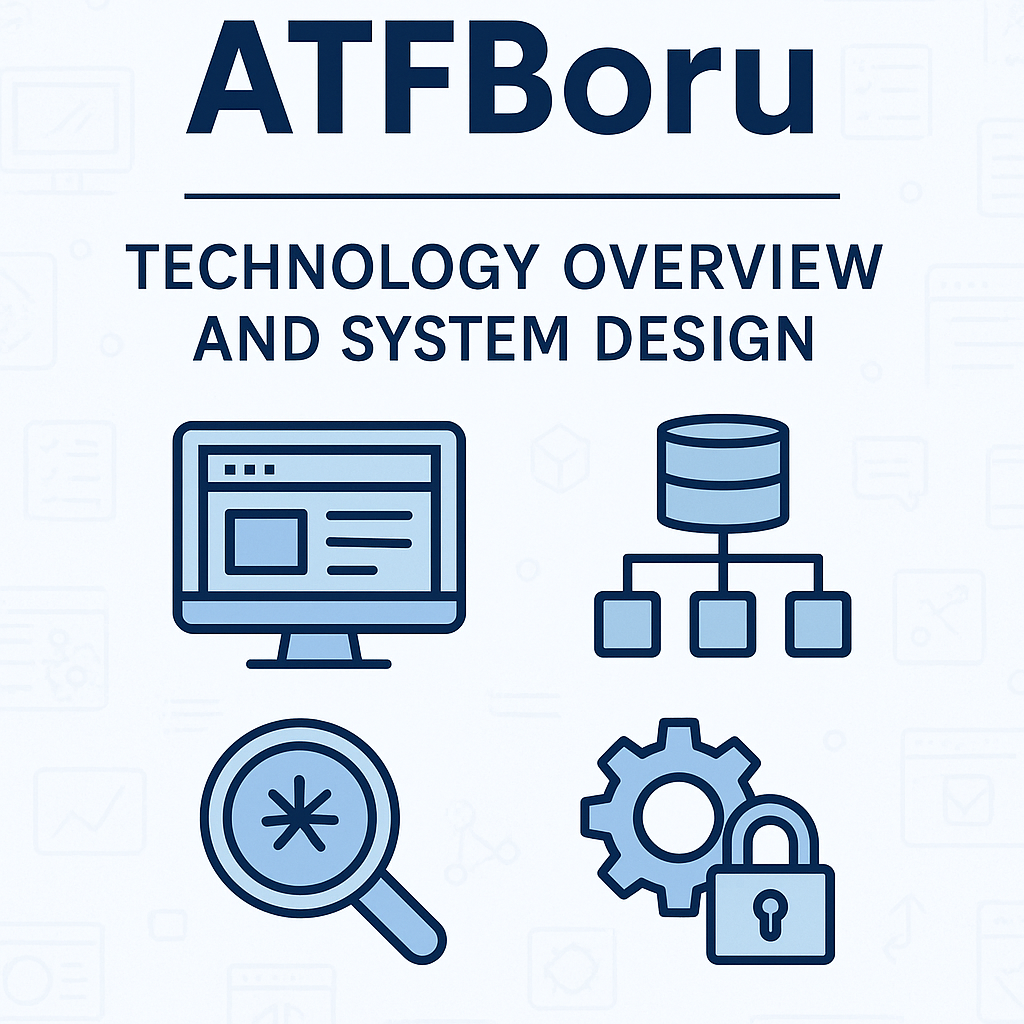
ATFBoru is made of several main technical parts:
-
User Interface
-
Web pages shown in a browser
-
Displays images, tags, and search results
-
-
Application System
-
Handles requests from users
-
Connects interface and database
-
-
Database
-
Stores image data and tags
-
Keeps user and system information
-
-
Storage System
-
Stores image files
-
Links files to database records
-
Each part works together to keep the system stable.
How Data Moves in the System
When a user requests an image:
-
The system reads the request
-
The database checks matching tags
-
Image data is found
-
The file is loaded from storage
-
The result is shown to the user
This process happens very quickly.
Tag-Based Data Management
What Tags Are
Tags are words or labels that describe images. They act as data markers.
Tags help the system:
-
Organize content
-
Connect related images
-
Support fast searching
Instead of folders, ATFBoru uses tags to group data.
Types of Tags
Common tag types include:
-
Content tags
-
Attribute tags
-
Category tags
Each image can have many tags. This improves accuracy.
Image Upload and Processing
Image Upload Steps
When an image is added to the system, ATFBoru performs these steps:
-
Receives the image file
-
Checks file format
-
Checks file size
-
Creates image record
-
Saves tags
-
Stores the image
This process helps avoid errors.
Supported Image Formats
Most systems support:
-
JPEG
-
PNG
-
GIF
These formats balance quality and performance.
Image Storage Technology
Storage Methods
ATFBoru can store images using:
-
Local server storage
-
Cloud storage systems
-
Distributed storage
The choice depends on system size.
Performance Support
To keep the system fast:
-
Thumbnails are created
-
Images are cached
-
Large files load only when needed
These steps reduce server load.
Search System Design
How Search Works
ATFBoru search uses tags.
Search options include:
-
Single tag search
-
Multiple tag search
-
Excluding tags
The system checks the database and returns results.
Search Result Control
Users can refine results by:
-
Date order
-
Relevance
-
Tag combinations
This improves accuracy and speed.
User Accounts and Access Control
User Types
ATFBoru systems often include:
-
Guest users
-
Registered users
-
Moderators
-
Administrators
Each type has different permissions.
Permission Handling
Permissions control:
-
Upload ability
-
Edit access
-
Deletion rights
This protects system data.
Moderation Systems
Automated Tools
To manage large data sets, ATFBoru may use:
-
Duplicate image detection
-
Tag rule checks
-
Automated flags
These tools reduce manual work.
Manual Control
Manual moderation includes:
-
Review lists
-
Report handling
-
Admin dashboards
These tools allow human control.
Security and Data Safety
System Security
Security protects both data and users.
Common security features include:
-
Login protection
-
Access restrictions
-
System monitoring
These reduce risks.
Data Protection
Data protection focuses on:
-
Safe storage
-
Controlled access
-
Backup systems
These protect against data loss.
Scalability and Reliability
Handling Growth
As image numbers grow, ATFBoru uses:
-
Database indexing
-
Caching systems
-
Load distribution
These keep performance stable.
System Reliability
Reliable systems use:
-
Error logging
-
Monitoring tools
-
Scheduled maintenance
This keeps the system running smoothly.
ATFBoru as a Technical Model
Reusable Ideas
ATFBoru uses ideas that apply to other systems:
-
Metadata-based organization
-
Tag-driven search
-
Modular design
These ideas work beyond image platforms.
Comparison With Other Systems
| Feature | ATFBoru | Basic Image Storage |
|---|---|---|
| Organization | Tag-based | Folder-based |
| Search | Advanced | Limited |
| Metadata | Strong | Weak |
| Scalability | High | Medium |
Integration and Extension
Integration Options
Some systems allow:
-
Data export
-
External tool access
-
Automation support
This helps system expansion.
Customization
Customization may include:
-
Interface changes
-
Feature updates
-
Tag rule adjustments
This improves flexibility.
Use Cases of the Technology
Where ATFBoru-Style Systems Work Well
They are useful for:
-
Image archives
-
Research image databases
-
Reference systems
-
Large digital collections
The design supports structured data.
Technical Challenges
Tag Management Problems
Challenges include:
-
Duplicate tags
-
Wrong tagging
-
Missing tags
These reduce search quality.
Storage Limits
As data grows:
-
Storage cost increases
-
Backup takes longer
-
Performance may slow
Planning is important.
Moderation at Scale
Large systems face:
-
High review load
-
Automation limits
Balance is needed.
Future Technical Development
Possible Improvements
Future systems may include:
-
Faster databases
-
Better caching
-
Improved interfaces
These increase efficiency.
New Technologies
Future updates may use:
-
Image recognition
-
Smart tag suggestions
-
Advanced automation
These reduce manual work.
FAQs
What is ATFBoru?
ATF Boru is a technology-based image system. It stores images, organizes them using tags, and allows users to search and manage large image collections.
Is ATFBoru a technology platform?
Yes, ATF Boru works as a technology platform. It uses databases, storage systems, and web technology to manage image data.
How does ATFBoru organize images?
ATF Boru organizes images using tags. Tags describe image content and help the system group and find images quickly.
What type of system design does ATFBoru use?
ATF Boru uses a tag-based system design. It relies on metadata, databases, and structured search instead of folders.
How does search work in ATFBoru?
The search system uses tags. Users can search with one or more tags, and the system finds matching images from the database.
Does ATFBoru store images in a database?
AT FBoru stores image information in a database and keeps the image files in a storage system. The database links data to files.
Is ATF Boru scalable?
Yes, ATF Boru is designed to handle growth. It uses caching, indexing, and performance tools to manage large image collections.
What security features does ATF Boru use?
ATF Boru uses access control, authentication, and monitoring to protect data and system stability.
Can ATF Boru be used for large image archives?
Yes, ATF Boru technology works well for large image archives, reference systems, and data-heavy image platforms.
Conclusion
ATF Boru is a technology system built to manage large image collections using structured data and tags. Its design focuses on organization, search, storage, and performance. From a technical view, ATF Boru is not just about images. It is about data structure and system design, the platform shows how tag-based systems can manage large amounts of information efficiently. The same ideas used in ATF Boru can be applied to many other data-driven systems, understanding ATF Boru as a technology platform helps explain its value and purpose. It shows how clear structure, smart design, and scalable systems support modern digital platforms.